
©maplepressca.com
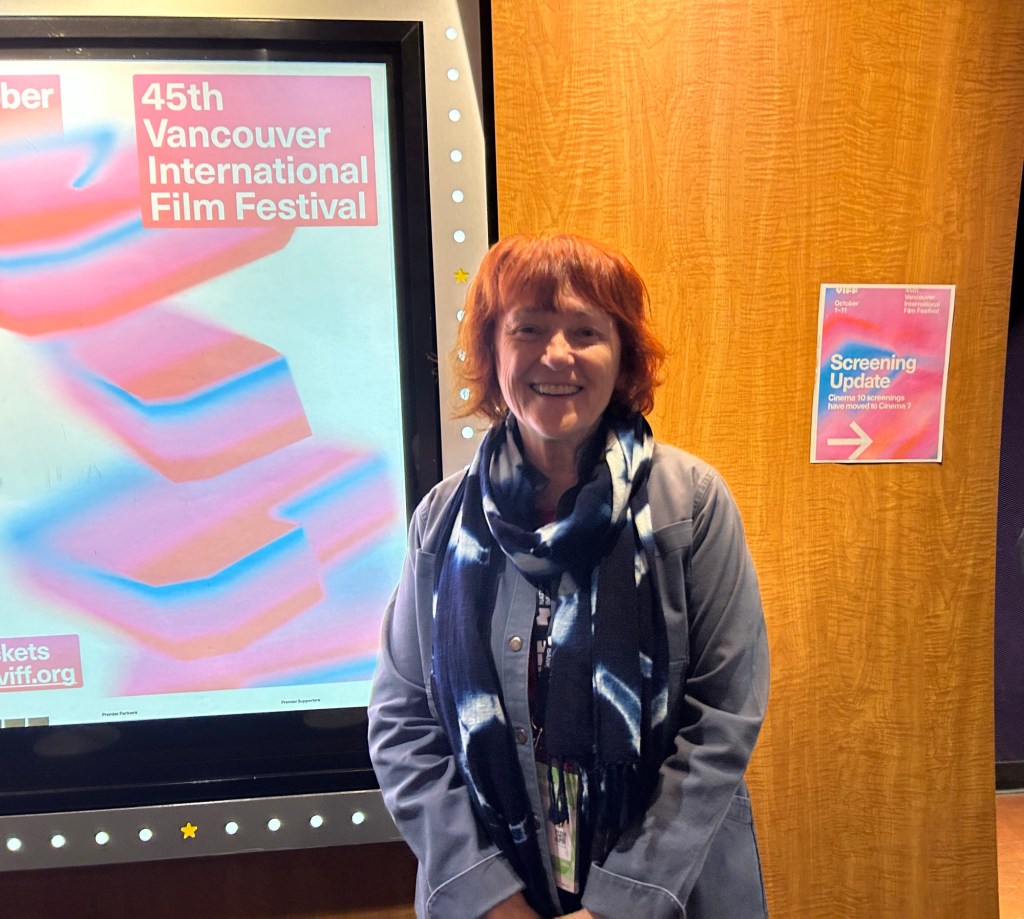
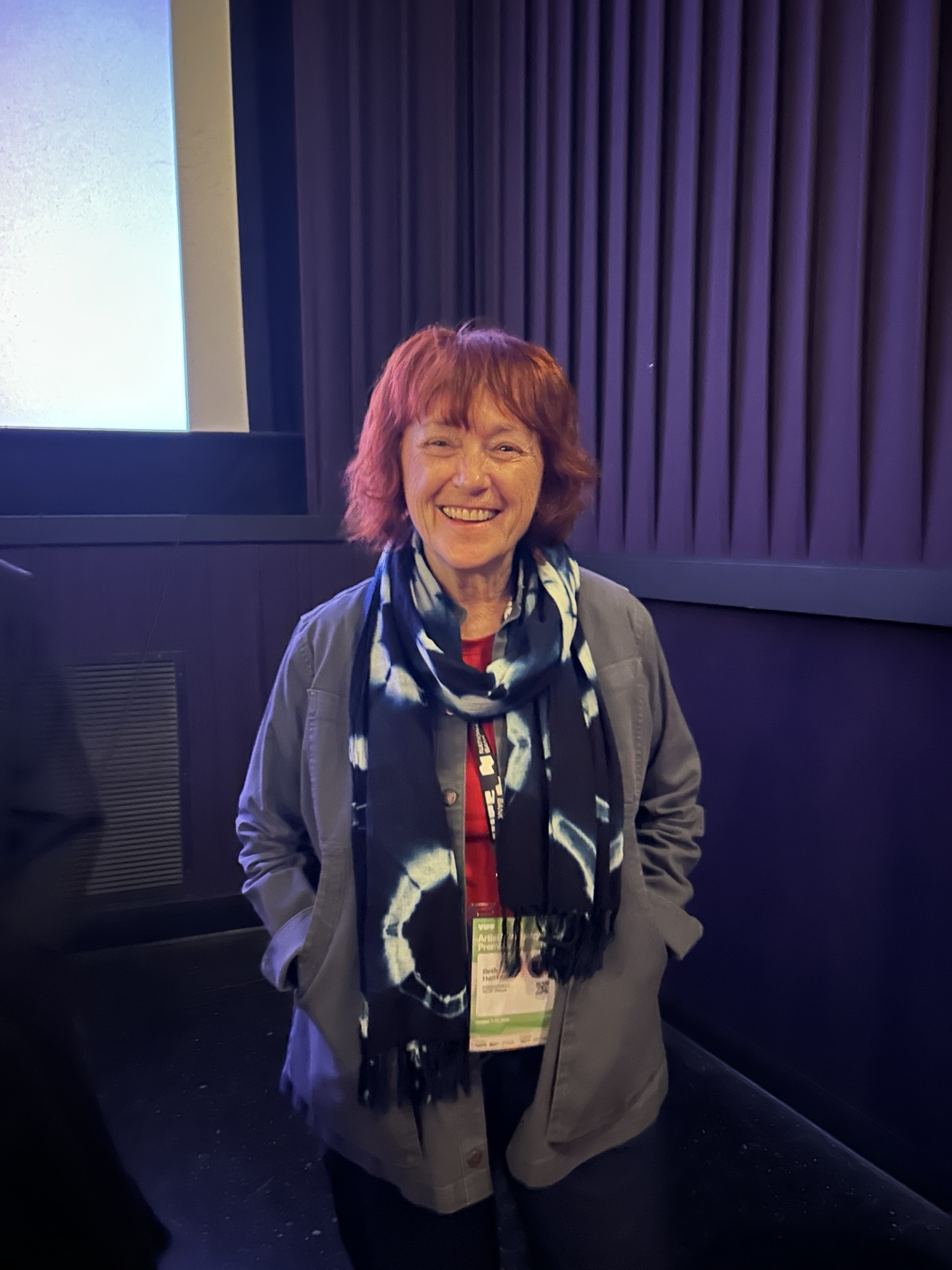
Interview with Director Beth Harrington (English Version)
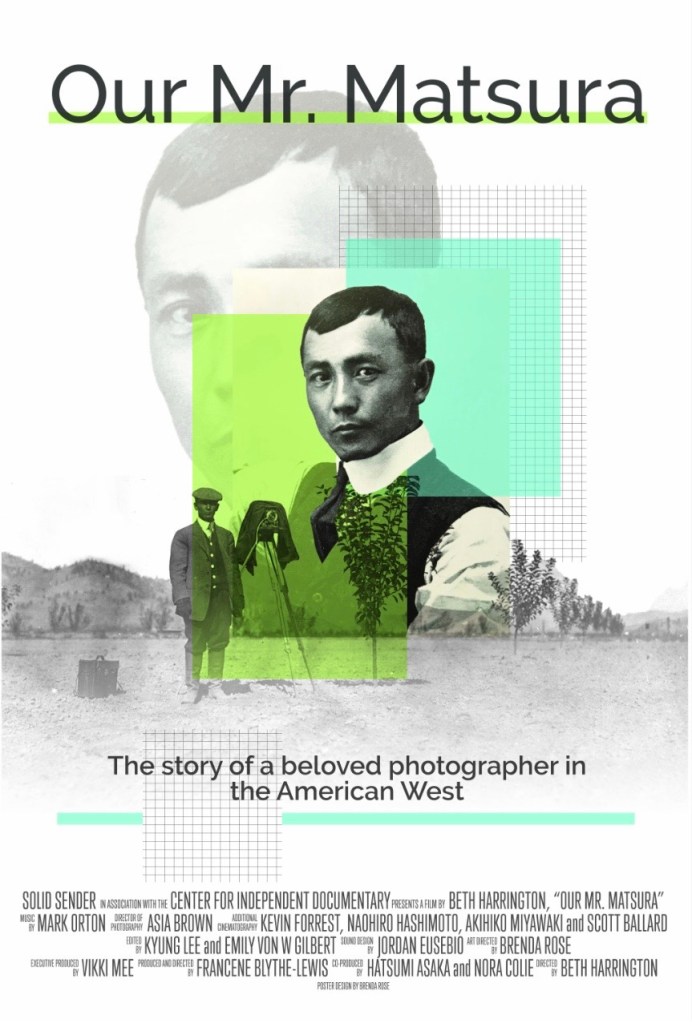
Movie “Our Mr. Matsura”
In Pursuit of a “Sense of Belonging”
About twenty years ago, director Beth Harrington visited an exhibition featuring photographs of Native Americans by a renowned American photographer. The show also included works by a lesser-known photographer. Her eye was drawn to a photograph that stood out from the rest; unlike the others, which seemed to follow the photographer’s specific instructions, this image captured the subject acting naturally and freely. The photographer was Frank Matsura. As she continued through the exhibit, she found herself stopping before Matsura’s photographs again and again. “Who are you?” she wondered.
She sensed an invisible bond—a kind of trusting affection—between the photographer and his subjects. Looking at other images, she was surprised to find the photographer himself smiling mischievously in a number of self-portraits. In that moment, she knew she wanted to learn more about his life.
Director Beth Harrington is a filmmaker based in Vancouver, Washington, known for creating documentaries on American culture; her work has received an Emmy Award and a Grammy nomination. She typically handles almost every aspect of production herself—from directing and producing to writing. She decided to create a documentary uncovering the true story of a particular Japanese photographer. “The more I researched him, the more he stayed on my mind,” she said. Although she usually produces programs for public broadcasters like PBS, she spent five years meticulously crafting this documentary entirely on her own terms.
A Glimpse into the Life of Sakae Matsuura Through His Photographs
Frank Matsura (born Sakae Matsuura, 1873–1913) emigrated to the United States during the Meiji era. After traveling through Seattle and Alaska, he began photographing the landscapes of the frontier in Conconully, Washington. In 1907, he settled in the rural town of Okanogan, Washington, and opened his own photography studio. He produced picture postcards from his landscape shots and left behind a collection of over 4,000 photographs. Highly skilled in photography, he was acclaimed for works that were natural, elegant, and occasionally even humorous. His photographs capture the spirit of the times and remain a cherished legacy of the Okanogan region, preserved by his descendants a century later. He never returned to Japan before his death from tuberculosis; it is said that his funeral was the largest the town had ever seen up to that point.
Matsuura built a life for himself in Okanogan. Yet, as a Japanese man living in an era of discrimination existed, was he truly happy? Why did he leave Japan to settle in the rural town of Okanogan? Director Harrington set out to find the answers to these questions.
The director first traveled to Okanogan to seek testimony from local residents. However, the information gathered—stories from people who had never actually met the man—was rife with speculation. “There were some wild, imaginative tales—which were entertaining in their own right, sure…” but the situation was challenging for a documentary filmmaker intent on capturing the truth.
Rumors abounded, particularly regarding the romantic life of Matsuura, who had remained a bachelor all his life; the surviving photographs alone made it impossible to determine whether the women in them were models, friends, or lovers. At one point, a local resident told the director, “To be honest, I don’t have high hopes for this film.” This led to a period of agonizing self-doubt—”Can I really pull this off?”—before the director resolved to press on, thinking, “But I’m the only one who can do it. If I quit, no one else will.”
The director then traveled to Japan. Matsura lost his parents in childhood and been raised by his uncle, so she visited his relatives. There were three surviving diaries that offered a glimpse into the man’s true self—revealing episodes such as his conscription into the military, a failed attempt to get a specific job due to insufficient height, and a time when he consulted his uncle about becoming a comedian after visiting the Asakusa Theater, only to be denied permission. However, the diaries ended when he was twenty-one, leaving an eight-year gap leading up to age twenty-nine—the period the director most wanted to understand. “I wanted to ask him, ‘Why?'” the director said.
About the film’s title
The director, who simply wanted to preserve a record of Matsura, noted his naturally cheerful personality several times during interviews. Whether he was performing comedy or clowning around while wearing a woman’s hat during a modeling session, Matsura was surprisingly far removed from the typical image of Meiji-era or militaristic Japan. Director Harrington focused the film on the artistry of Matsura’s photography and the simple, joy-filled life he led in Okanogan.
The film leaves the reasons for his departure from his samurai family open-ended—was it a desire to avoid the war, a gamble on a fleeting opportunity to secure a U.S. immigration visa, or perhaps personal matters back in Japan? This ambiguity invites lively discussion after the emotional experience of watching the film.
Learning more about Sakae Matsura makes the film’s title, *Our Mr. Matsura*, feel deeply endearing. According to the director, there are two reasons for this choice. First, Matsura left behind photographs of his ancestors for the people of Okanogan—a gesture for which they remain grateful to this day. The word “Our” reflects the townspeople’s affectionate regard for him. Even those who were initially silent during filming reportedly offered praise after the preview screening, saying, “I was deeply moved. I also really love the title.”
A second reason cited was the opportunity to meet a wide variety of people while making the film. Acknowledging the differing perceptions of the charismatic Matsura held by each individual, the director concluded, “This film was created from the stories we gathered. Since we built it together, the word ‘Our’ was the perfect fit.”
Following its screening at VIFF, the film is scheduled to be shown at other festivals, the Japan Pavilion in Seattle, museums, and universities. It will also be screened in November in Joyo City, Kyoto Prefecture—a sister city to Vancouver, USA. Thanks to the impact of the film, an exhibition featuring the work of photographer Sakae Matsura is also set to be held in Portland next March.
The director’s website is http://www.ourmrmatsura.com
Be sure to get your tickets for *Our Mr. Matsura* at VIFF early.
©maplepressca.com
For VIFF

