


I had a first review:
The poetic life of a legendary samurai
“I received this book as a gift. The story is set before Martin Scorsese’s movie “Silence” and explains why Christianity became a forbidden religion in Japan. Oda Nobunaga is a powerful samurai, pictured as a caring and sensitive person and sows this iconic warrior from an angle that is most unique. A very Touching book with an intriguing story, hard to put down. ”
It took some time for me to find the song I listened at the Portuguese café. I typed in “Meu Amor” many times and finally found one!
The song is called “Céu de Santo Amaro” by Flávio Venturini. If you know classical music, it is from a Bach’s harpsichord’s concerto, very beautiful.
Here is the song from Youtube.
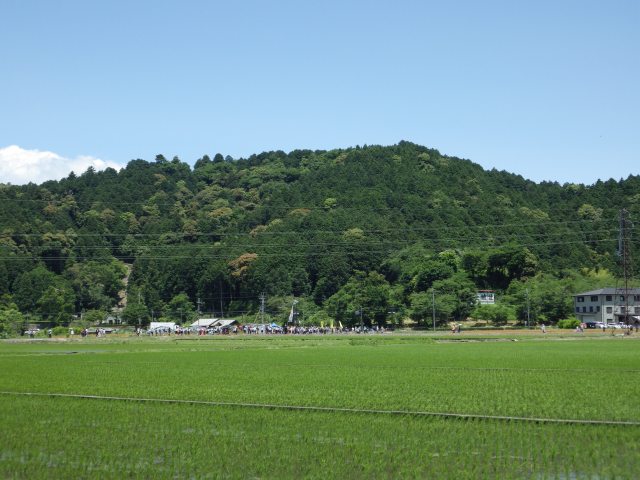
I strongly believe in “Finding the roots” when people get stuck. I lost my job and was angry. So I went to visit my grandmother’s grave in Shiga and visited Azuchi. I went to the castle, walked through the rice fields, looked at the seminario, found a pottery shop… all were just a part of sightseeing without a purpose.
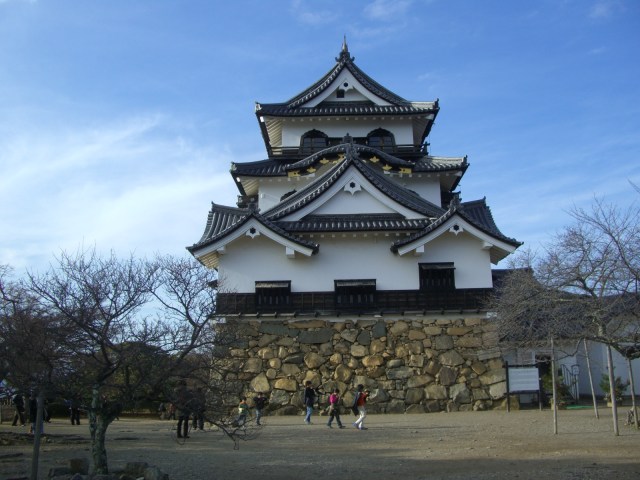
I accidentally got off at Hikone and found Ii Naomasa’s castle, saw the name Ii Naotora and learned she was a woman. The family crest was the same as my late grandmother whom I never met, and my name “Nao” (Chinese character) was written all over the castle. I got goosebumps and felt I found something there.
I also did not know much about Luis Frois, rather than his name and that he was the priest from Portugal who lived in Nagasaki. I never intended to portray him as much as I did in the book.
There are many coincidences in life.
So I still repeat the last word of Chapter 11, “You are not alone.” If you ever get stuck, please go, seek your roots and find something.
いつかポルトガルのカフェで聴いたメウアモール の音楽、やっと見つけました。フラヴィオ•ヴェンチュリー二さんの曲で、バッハをアレンジしたものらしく、すごく素敵です。ついルイス•フロイス のことを考えてしまいます。
初めての評価で、日本でキリスト教がなぜ禁止になったか説明されてある、と書いていただきました。自分では秀吉がなぜ他の人より出世したのか説明したつもりだったのですが、これは気がつきませんでした。以外な発見で嬉しかったです。
人生で困った時は自分のルーツを探ると良いと、昔誰かが言っていました。その言葉に助けられたので、旅はお勧めです。
 MovieGa 素敵な映画人